Ultrasound may identify gallstones, while jaundice or a cholestatic liver-test pattern can raise concern about bile-duct obstruction. The location of the problem changes the treatment pathway.
Hepatobiliary care · WEST DELHI
Gallbladder and bile-duct disease: locate the problem before choosing the procedure
Gallstones, bile-duct stones, narrowing and inflammation can produce overlapping symptoms. Imaging, blood-test pattern and clinical severity guide whether observation, surgery, ERCP or another step is relevant.
30+ yearsSpecialist perspectiveMedical + proceduralOne connected pathwayTwo clinicsMoti Nagar · Paschim Vihar

Gallbladder · common bile duct · pancreas · duodenum · urgency
Conceptual educational visualisation — not diagnostic imagery01 / BEGIN WITH THE PATTERN
Does this sound familiar?
Gallstones, bile-duct stones, narrowing and inflammation can produce overlapping symptoms. Imaging, blood-test pattern and clinical severity guide whether observation, surgery, ERCP or another step is relevant.
You do not need to identify the diagnosis yourself. Bring the pattern, previous treatment and what still feels unexplained.
03 / WHAT MATTERS NOW
Understand what changes treatment, monitoring or the need for further investigation.
Cause, severity, warning signs and the value of further investigation must be considered together.
ERCP is principally therapeutic
ERCP may be used for selected bile-duct obstruction, stones or strictures when intervention is expected. It is not a routine test for every person with gallstones.
- Pain pattern and fever
- Jaundice and urine/stool colour
- Liver-test trend
- Ultrasound, MRCP or other imaging
- Surgical and endoscopic alternatives
When to seek urgent assessment
Fever with jaundice, severe persistent right-upper-abdominal pain, repeated vomiting, confusion or fainting can indicate a serious complication and requires urgent care.
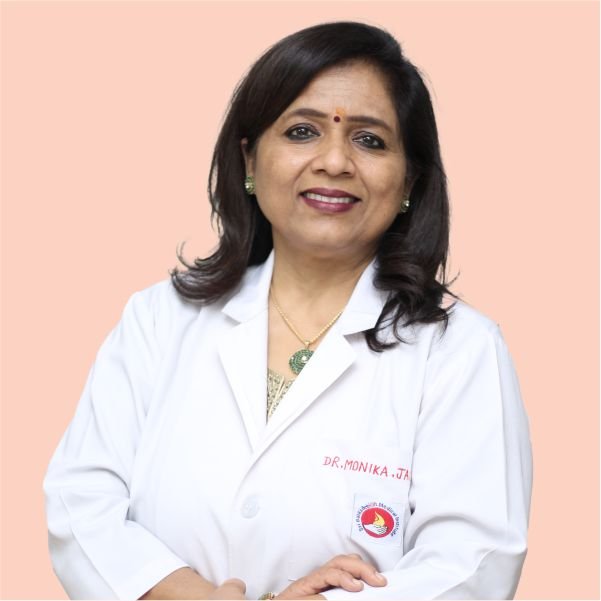 Dr Monika Jain
EXPERIENCE WITH RANGE
Experience connects the symptom, the evidence and the next clinical decision.
Dr Monika Jain brings more than three decades across medical gastroenterology, hepatology, diagnostic and therapeutic endoscopy, clinical leadership and specialist teaching. For gallbladder and bile-duct decision-making, that range helps keep investigation and treatment connected to a defined purpose.
Meet Dr Jain and review her professional journey ↗FREQUENTLY ASKED
Questions patients ask before the next step.
Clear general guidance, with the limits made visible.
01When should gallbladder and bile-duct disease: locate the problem before choosing the procedure be reviewed by a specialist?
Review is appropriate when symptoms persist, the diagnosis or severity remains uncertain, treatment is not working as expected, or warning signs are present.
02Will I automatically need an endoscopy or scan?
No. Investigation should be selected only when the history, examination and existing evidence identify a question that the result can answer or change.
03What should I bring to the consultation?
Bring previous prescriptions, blood and stool tests, scans, endoscopy reports, a current medicine list and a short timeline of what has changed.
04Where can I consult Dr Monika Jain in West Delhi?
Consultation requests can be made for Moti Nagar or Paschim Vihar. Use the direct clinic page for the exact address, phone number and Google Maps link, then confirm Dr Jain’s availability before travelling.
MOTI NAGAR · PASCHIM VIHAR
Consult Dr Monika Jain in West Delhi.
Choose the more convenient location for Hepatobiliary care, review the real address and let the clinic team confirm Dr Jain’s availability before you travel.
Sreejee GastroLiver and Speciality Clinics
1st floor, No 29, Shivaji Marg, Block C, Moti Nagar, Delhi 110015
Dr Monika Jain Clinic, Paschim Vihar
Ekta Apartment, A2B/155A, Chaudhary Balbir Singh Marg, A 2 Block, Paschim Vihar, Delhi 110063
EDITORIAL RECORDPublished and updated 4 August 2026Prepared by the Dr Monika Jain Editorial Team · Medical reviewer is named only after approval
Medical sources used for this page
These sources support the general educational information. They do not replace individual interpretation.
NIDDK — Gallstones↗NIDDK — ERCP↗