CONDITIONS · DECISIONS · LONG-TERM CARE
Understand the condition.
Then decide what matters now.
These guides explain how symptoms, severity, investigation, treatment and monitoring fit together. They are educational—not a diagnosis or an instruction to undergo a procedure.

Consultation · evidence · medical care · procedure · follow-up
AI-assisted editorial equipment visual — no actual procedure shown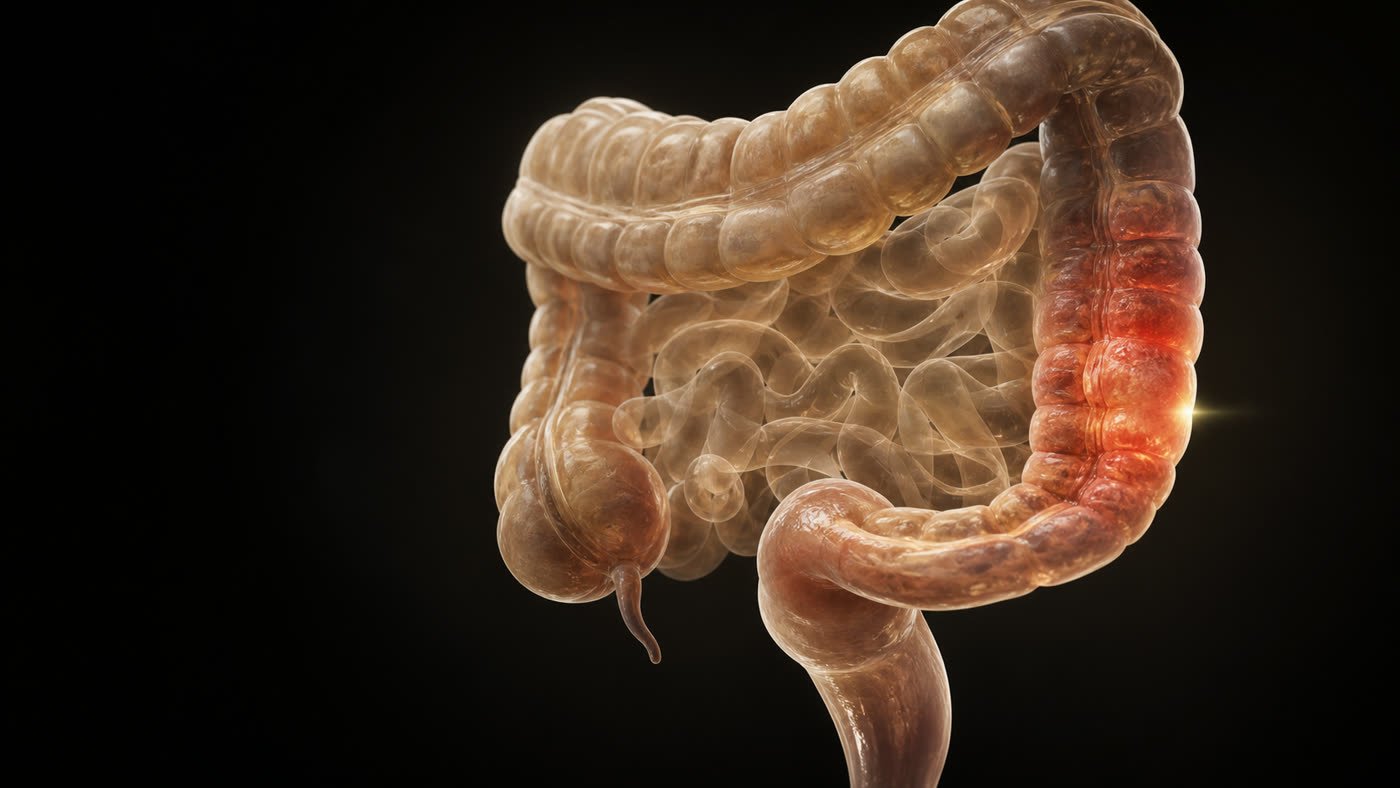
Inflammatory bowel disease care beyond the next flare
Crohn’s disease and ulcerative colitis need long-term thinking: define the disease, control inflammation, protect nutrition and monitor what symptoms alone cannot show.
Explore this care pathway ↗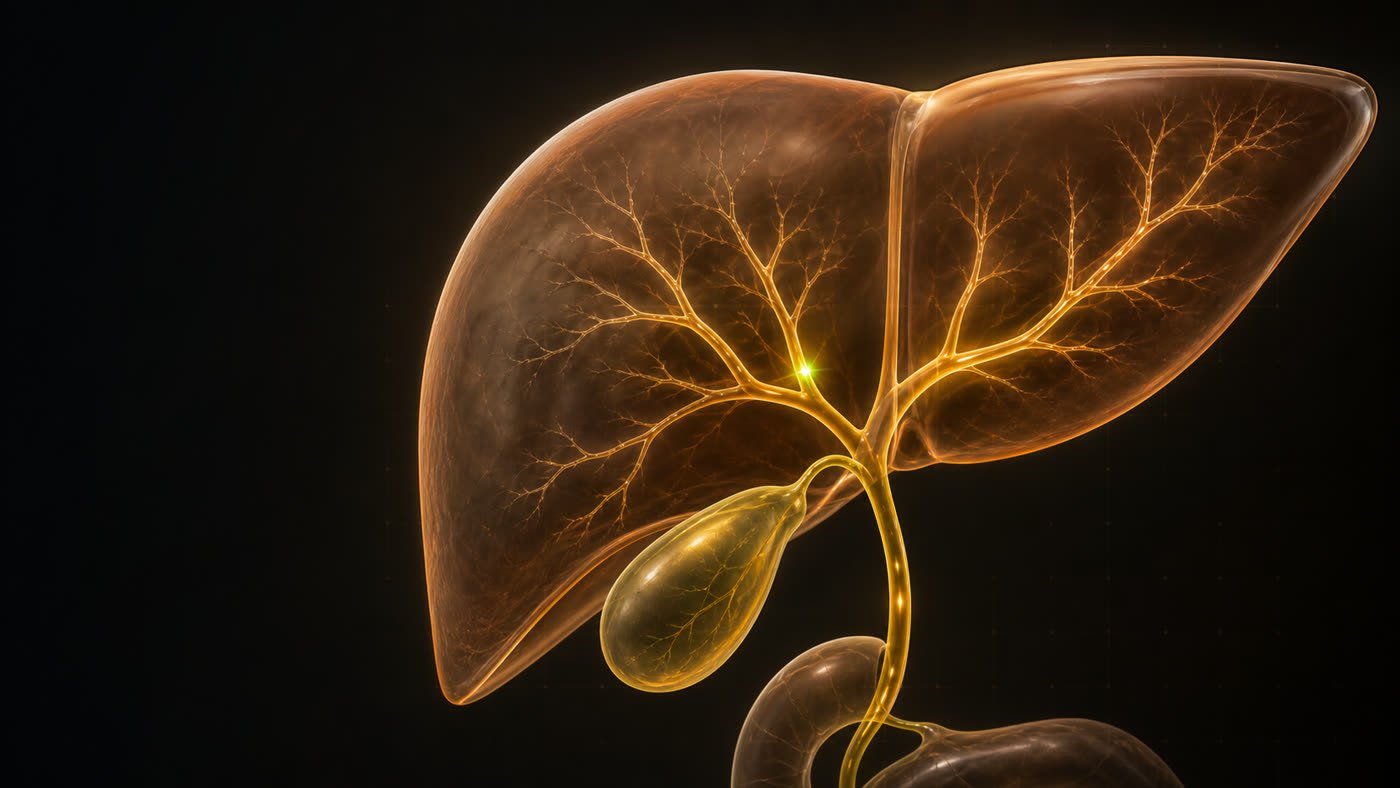
Complete liver and hepatobiliary care
For fatty liver, abnormal tests, cirrhosis, jaundice and conditions involving the gallbladder or bile ducts, the priority is to identify cause, severity and risk.
Explore this care pathway ↗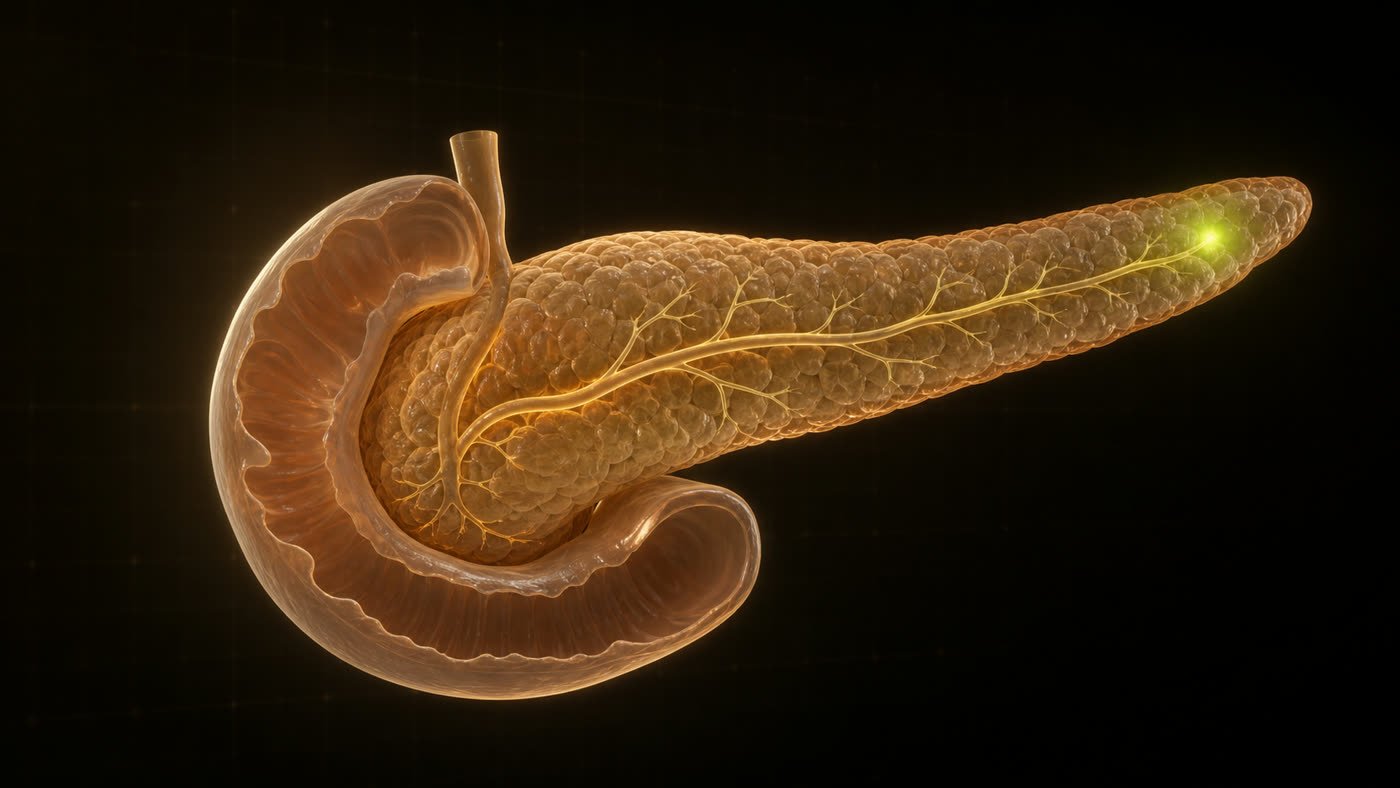
Pancreatic disease: making sense of the finding
Pancreatitis, pancreatic cysts and other lesions can raise difficult questions. Experienced interpretation helps determine what needs surveillance, EUS, treatment or no immediate intervention.
Explore this care pathway ↗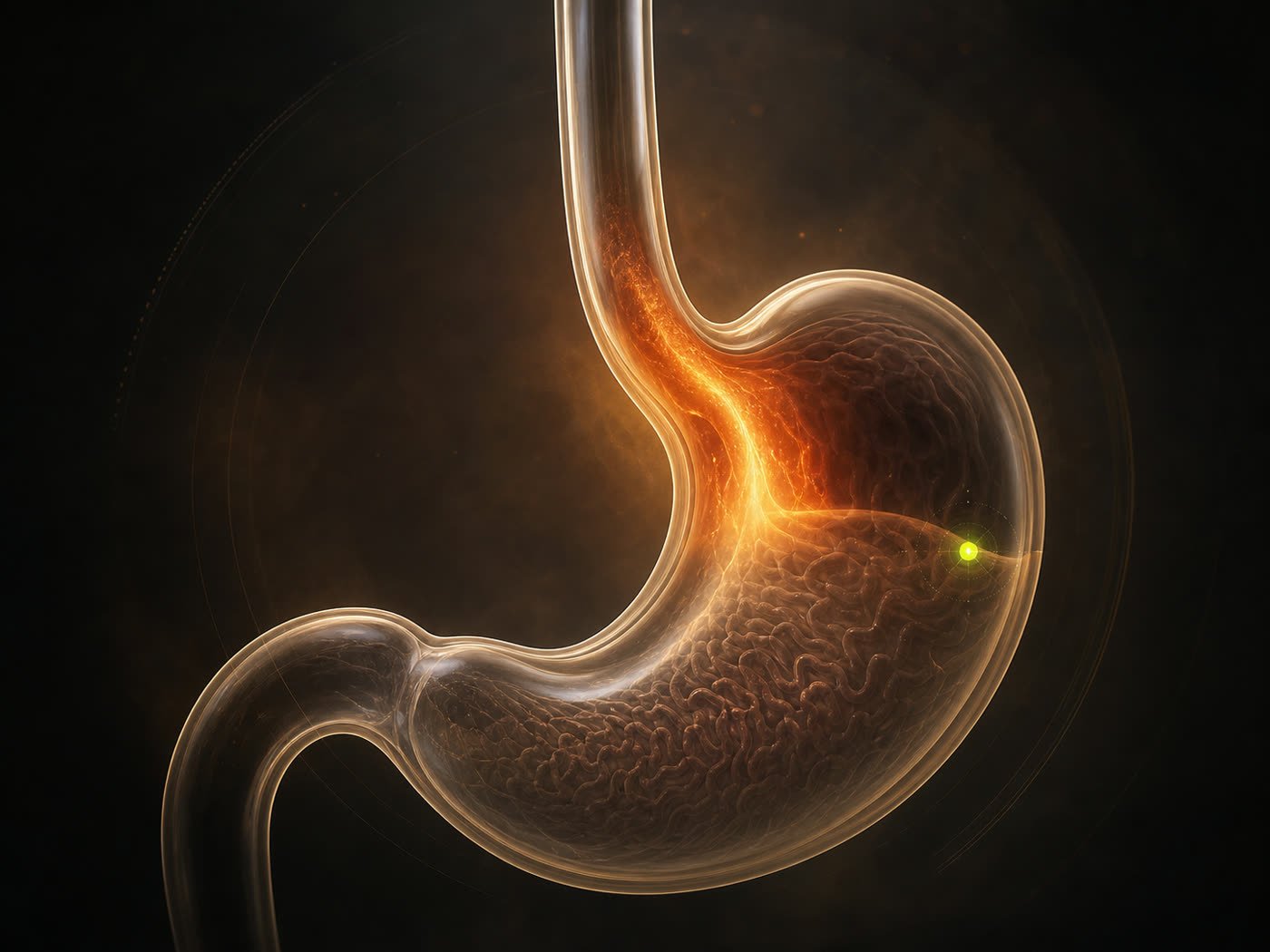
When acidity, reflux and indigestion keep returning
Recurring burning, regurgitation, upper-abdominal discomfort or early fullness deserve more than repeated short-term relief when the cause remains unclear.
Explore this care pathway ↗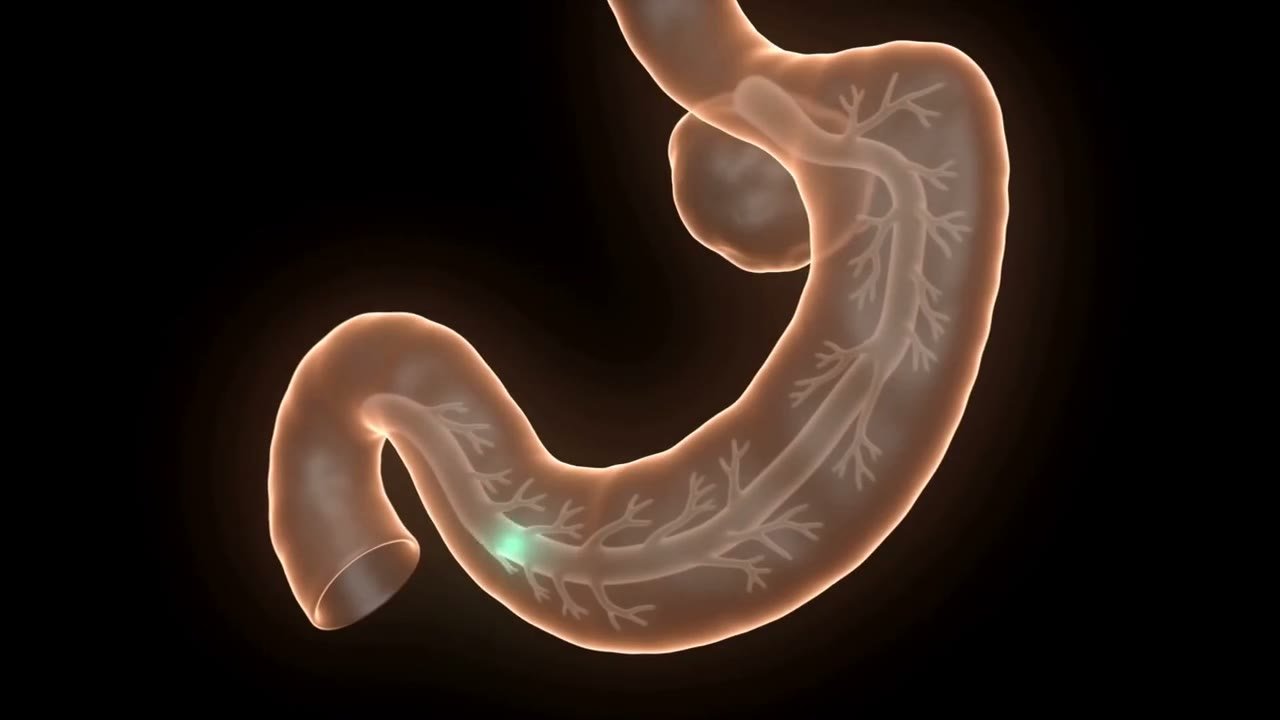
Bloating, gas and abdominal pain
The useful clues are where discomfort occurs, what triggers it, whether the abdomen actually distends and how symptoms relate to meals and bowel movements.
Explore this care pathway ↗
Constipation is not only about how often you go
Constipation is not only about frequency. Hard stool, straining, incomplete emptying and a new change from your usual pattern also matter.
Explore this care pathway ↗
Fatty liver: is there scarring?
An ultrasound can show liver fat. It cannot, by itself, tell you the cause, the degree of inflammation or your long-term fibrosis risk.
Explore this care pathway ↗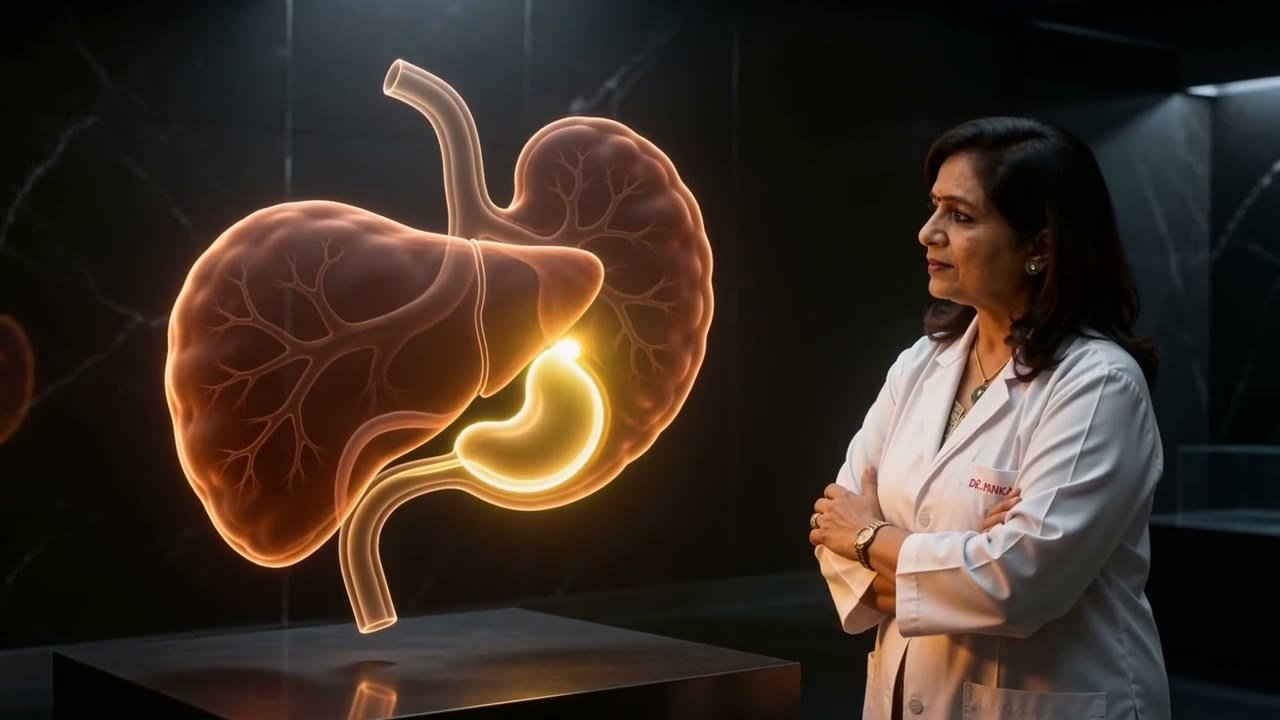
Abnormal liver tests: understand the pattern before the label
ALT, AST, bilirubin, alkaline phosphatase, albumin and platelets answer different questions. Their relationship, trend and clinical context determine what deserves attention.
Explore this care pathway ↗Viral hepatitis: define the virus, activity and liver risk
A positive hepatitis test is the beginning of an assessment—not a complete statement about activity, transmission, treatment or liver damage.
Explore this care pathway ↗Liver fibrosis and cirrhosis: assess risk before complications appear
Fibrosis describes scarring; cirrhosis is advanced scarring with implications for liver function, portal pressure, cancer surveillance and prevention of complications.
Explore this care pathway ↗Gallbladder and bile-duct disease: locate the problem before choosing the procedure
Gallstones, bile-duct stones, narrowing and inflammation can produce overlapping symptoms. Imaging, blood-test pattern and clinical severity guide whether observation, surgery, ERCP or another step is relevant.
Explore this care pathway ↗
Chronic diarrhoea: define the pattern before restricting more foods
Duration, stool characteristics, night symptoms, medicines, travel, weight change and inflammation clues help separate short-lived illness from a problem requiring targeted evaluation.
Explore this care pathway ↗
Gastrointestinal bleeding: identify urgency, source and next step
Vomiting blood, black stool, maroon stool or visible rectal bleeding require different levels of urgency and investigation. Bleeding should never be diagnosed through a website message.
Explore this care pathway ↗
Difficulty swallowing: clarify where food or liquid feels delayed
Swallowing difficulty can arise from narrowing, inflammation or a movement disorder. Whether the problem involves solids, liquids or both helps define the next investigation.
Explore this care pathway ↗H. pylori and peptic-ulcer disease: confirm, treat and verify appropriately
H. pylori can contribute to gastritis and ulcers, but symptoms alone cannot confirm infection. The choice and timing of testing affect whether the result is reliable.
Explore this care pathway ↗Coeliac disease and malabsorption: test before removing gluten
Coeliac disease can affect the intestine, nutrition and health beyond the gut. Starting a gluten-free diet before testing can make diagnosis more difficult.
Explore this care pathway ↗