Bleeding, anaemia or bowel-pattern change
Discuss the indication, alternatives and what the result or treatment is expected to change.
Procedure guide · PURPOSE BEFORE TECHNOLOGY
Colonoscopy examines the large bowel and may allow biopsy, polyp removal or selected treatment. Preparation quality directly affects what can be seen.
Request a consultation ↗
Preparation · large bowel · biopsy · polyp removal · result
Conceptual educational visualisation — not diagnostic imagery01 / THE DIRECT ANSWER
A flexible colonoscope examines the lining of the large bowel. The indication may involve symptoms, bleeding, screening, IBD assessment, surveillance or treatment.
Discuss the indication, alternatives and what the result or treatment is expected to change.
Discuss the indication, alternatives and what the result or treatment is expected to change.
Discuss the indication, alternatives and what the result or treatment is expected to change.
Discuss the indication, alternatives and what the result or treatment is expected to change.
Define the problem, alternatives, expected benefit and individual risk.
Confirm medicines, fasting or bowel preparation, consent, escort and venue.
Examine, sample or intervene only within the agreed clinical purpose.
Follow observation, transport, eating, medicine and warning-sign instructions.
Connect immediate findings and later reports to the next management step.
Suitability depends on the clinical question, alternatives, expected benefit, individual risk and the setting in which the procedure can be performed safely.
Ask what the procedure is expected to change, how to prepare, how sedation and recovery are handled, when results will be available and which symptoms after the procedure require urgent contact.
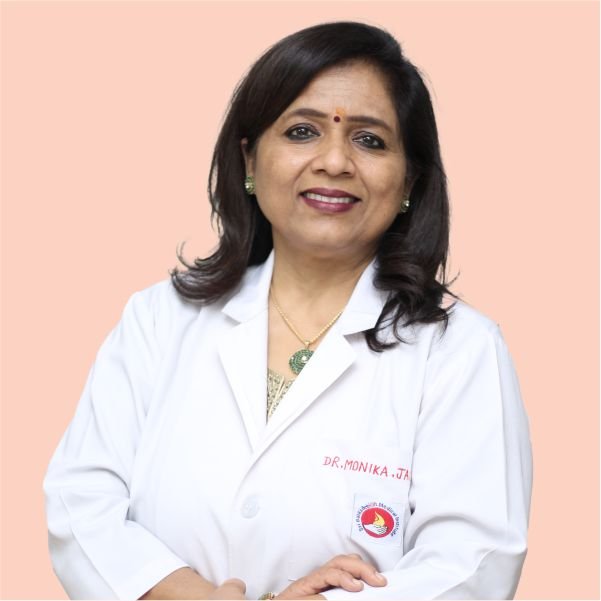 Dr Monika Jain
EXPERIENCE WITH RANGE
Dr Monika Jain brings more than three decades across medical gastroenterology, hepatology, diagnostic and therapeutic endoscopy, clinical leadership and specialist teaching. For decisions involving colonoscopy: preparation, purpose and the decision afterwards, that range helps keep investigation and treatment connected to a defined purpose.
Meet Dr Jain and review her professional journey ↗Clear general guidance, with the limits made visible.
A procedure should be considered only when it can answer a defined clinical question, provide treatment, or meaningfully change monitoring or management.
Suitability depends on the diagnosis, expected benefit, alternatives, preparation, individual health risks, procedural expertise and the setting in which it can be performed safely.
Ask what the procedure should change, how to prepare, how sedation and recovery are handled, when results will be available and which symptoms afterwards require urgent contact.
A consultation can be requested in Moti Nagar or Paschim Vihar, West Delhi. The clinic consultation does not itself confirm the procedure venue; suitability, preparation and location must be confirmed separately.
Choose the more convenient location for a procedure recommendation, review the real address and let the clinic team confirm Dr Jain’s availability before you travel.
1st floor, No 29, Shivaji Marg, Block C, Moti Nagar, Delhi 110015
Ekta Apartment, A2B/155A, Chaudhary Balbir Singh Marg, A 2 Block, Paschim Vihar, Delhi 110063
These sources support the general educational information. They do not replace individual interpretation.
NIDDK — Colonoscopy↗